

Detonation Synthesis Method for Diamonds
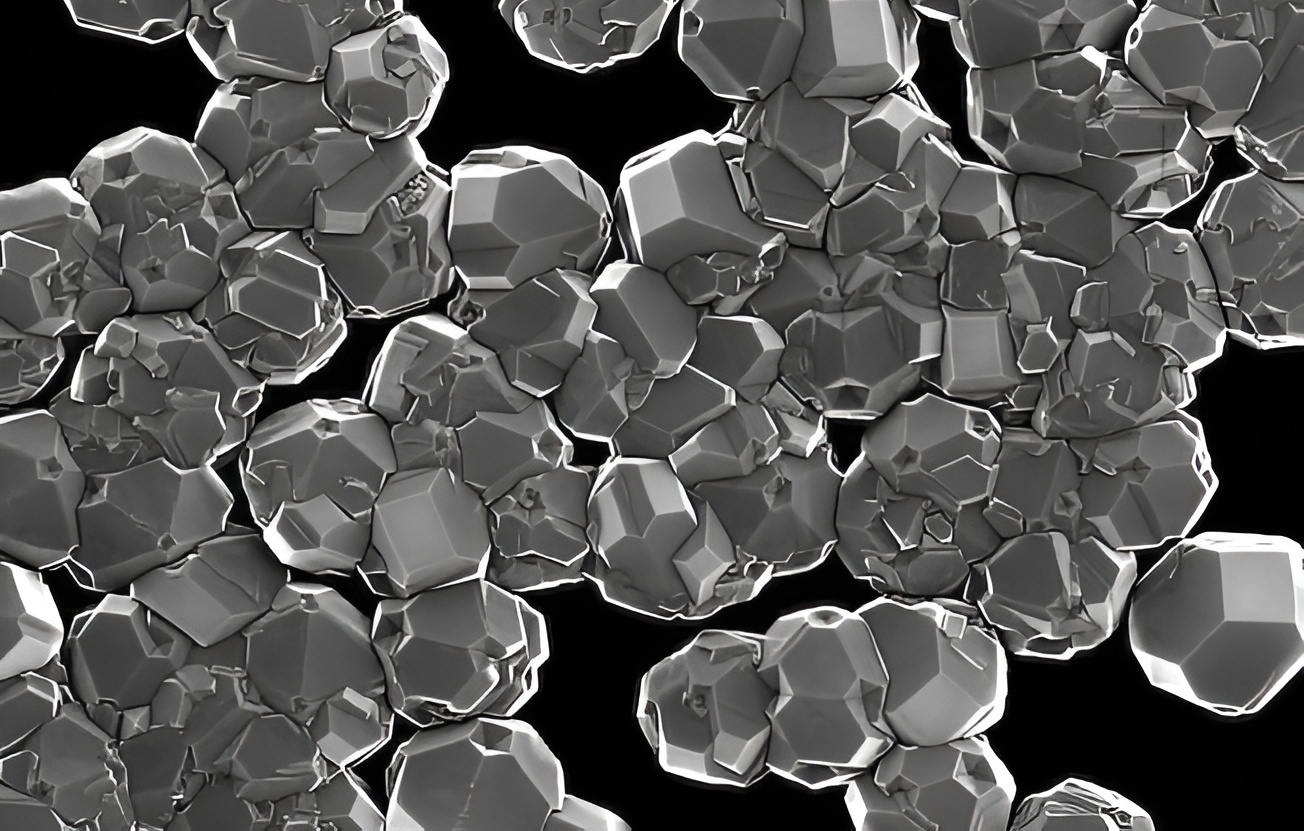
Detonation Synthesis of Diamonds (DSD) is a method of producing diamonds through the controlled explosion of carbon-containing materials. Unlike High Pressure High Temperature (HPHT) synthesis or Chemical Vapor Deposition (CVD), the detonation process occurs in a fraction of a second. As a result, no large single crystals are formed, but rather polycrystalline diamond nanoparticles.

Fundamentals of the DSD Method
The detonation synthesis of diamonds was first carried out in Russia in 1963 at VNIIEF by academician E. I. Zababakhin. However, much like the CVD method in the Soviet Union, it was initially deemed unviable due to the success of HPHT synthesis and remained classified for decades. Despite this, research continued in laboratory settings [1].
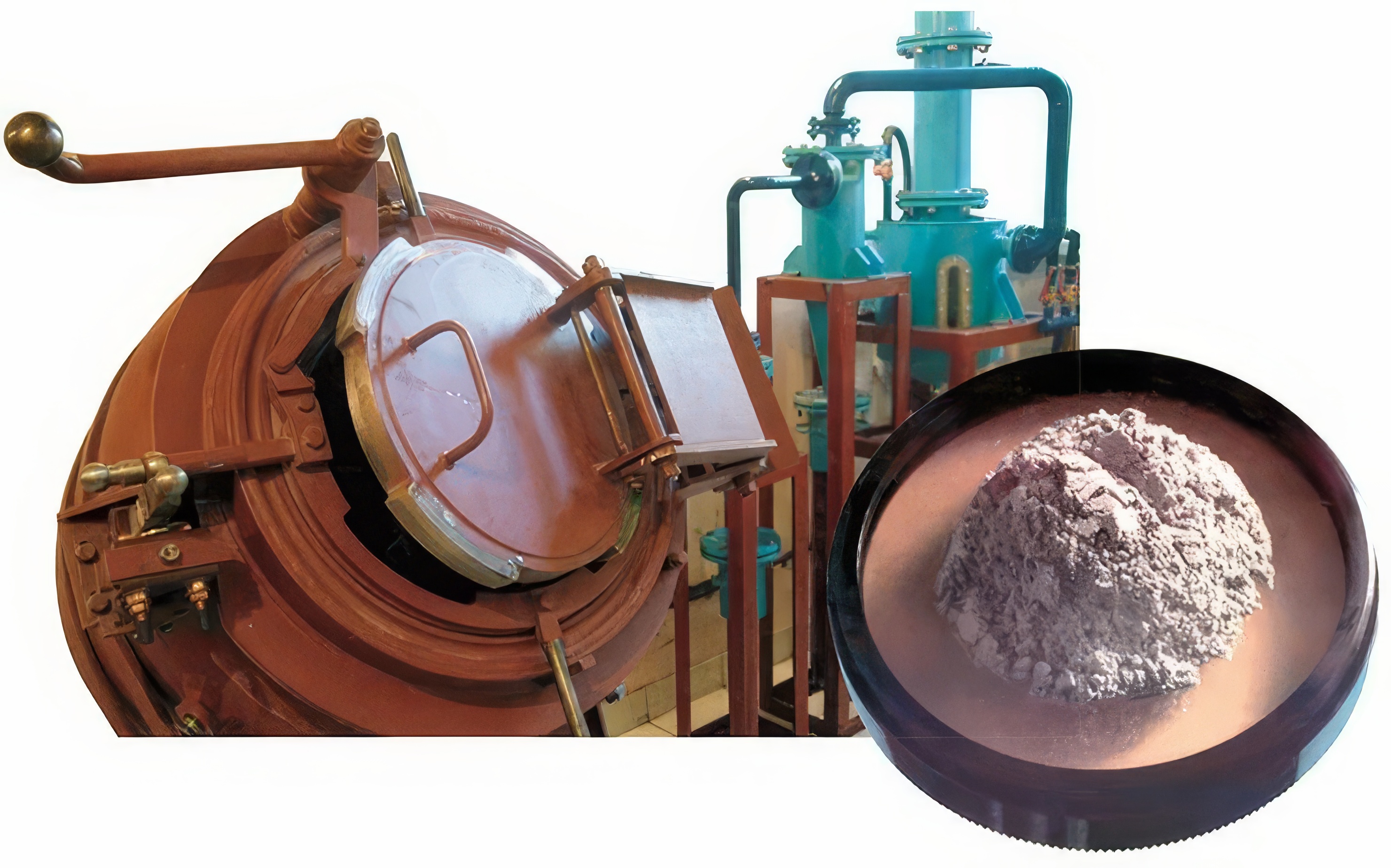
The method involves applying an extremely short shock wave to a reactive mass composed of graphite or another carbon-rich material, or a mixture of such substances with metals. Unlike static synthesis processes, in detonation synthesis the temperature is not preset — it depends on the initial state of the components and the compression pressure generated during the reaction [2].
Methods of Detonation Synthesis
There are three main methods for producing diamond powder through detonation:
1. Synthesis in high-strength containers. This method uses shock waves from explosions to generate pressures of up to 100 GPa and temperatures of up to 3000 K within robust containers (ampoules) filled with graphite and metal. The metal increases pressure, lowers temperature, and rapidly cools the resulting diamonds. Within microseconds, polycrystals of up to several tens of microns (typically 7 to 10 μm) are formed [3]. Due to the specific synthesis conditions, these diamonds demonstrate up to twice the abrasive performance of conventional industrial powders, giving them a higher market value.
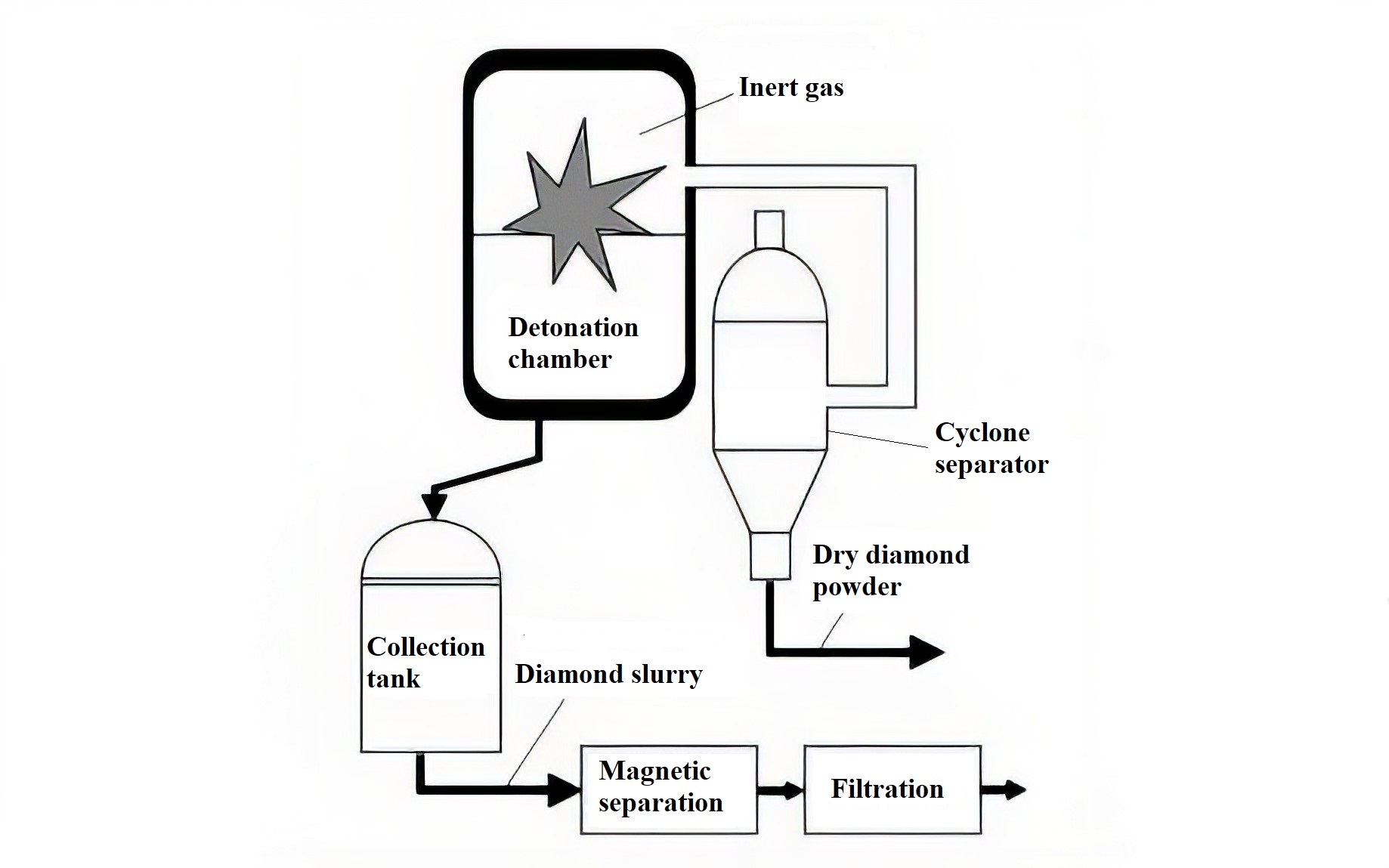
2. Detonation of mixtures with carbonaceous materials. In 1973, a method was developed that allows the production of diamonds by detonating mixtures of explosives and carbon-containing materials [4]. To prevent oxidation and thermal degradation of the diamond particles, the detonation takes place in a sealed chamber filled with inert gas. The carbon-to-diamond conversion rate can reach 50%, depending on the detonation parameters. The resulting material is a finely dispersed diamond powder with crystallite sizes ranging from 6 to 10 nm and a specific surface area between 20 and 150 m²/g.
3. Detonation of oxygen-deficient explosives. According to research by G. V. Sakovich and colleagues [5], diamonds can also be formed by detonating condensed explosives with an oxygen deficit, such as TNT, in a cooling medium. These substances release “free carbon” during decomposition, which transforms into diamond. The ultradispersed diamonds (UDD) produced through this method have particle sizes of 2 to 6 nm and specific surface areas of up to 350 m²/g. These properties give them high adsorption capacity and chemical reactivity.
Applications of Detonation Diamonds
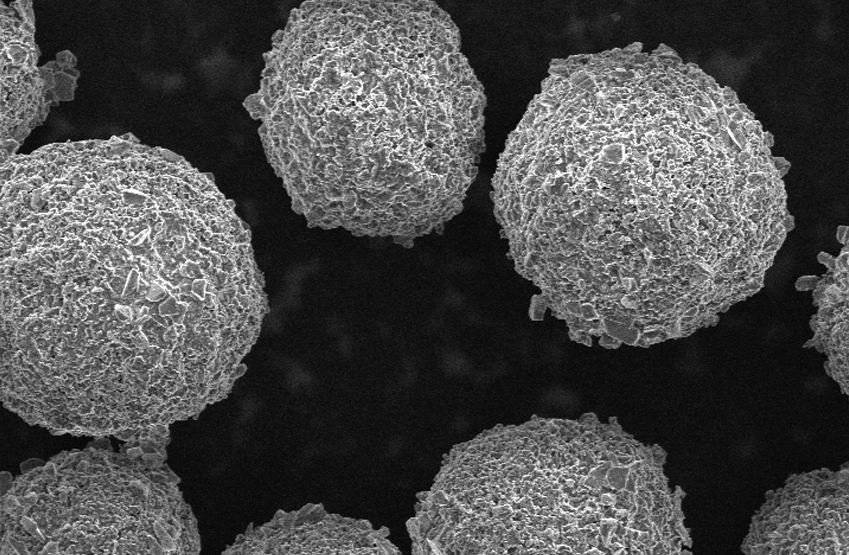
Owing to their unique combination of properties — including exceptional hardness, chemical inertness, high surface area, biocompatibility, and luminescence — nanodiamonds find broad application across a wide range of scientific and technological disciplines:
- Medicine and biomedicine: targeted drug delivery, biosensors, tumor imaging, bone tissue regeneration, antibacterial coatings, and cancer therapies.
- Electronics: thermal management, components for transistors and other devices, cold cathodes, and batteries.
- Composite materials: as additives in polymer, metal, or ceramic matrices.
- Cosmetics: exfoliants, optical modifiers, and carriers for active ingredients penetrating deep skin layers.
- Other uses: components for lubricants and filters, and as qubits and sensors in quantum technologies.
In summary, detonation-synthesized diamonds represent a versatile and high-performance material with cutting-edge applications across multiple sectors. Thanks to ongoing advancements in synthesis and post-processing technologies, their potential to address complex scientific and industrial challenges continues to expand.
References
No items defined
No items defined
