

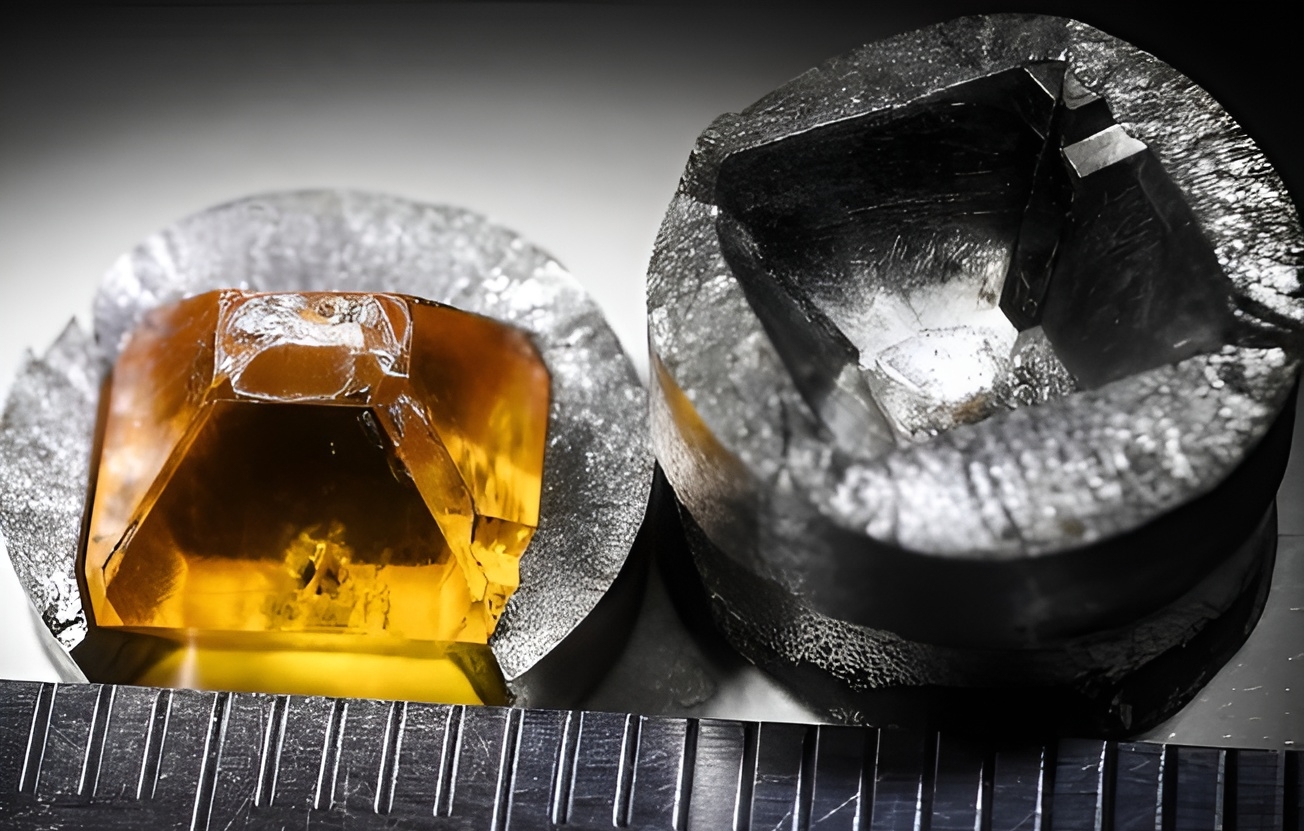
HPHT Method of Diamond Synthesis
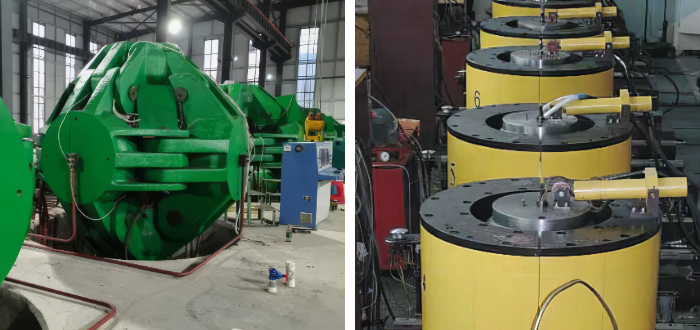
Types of HPHT Presses
There are four primary types of presses used for HPHT diamond synthesis:
- Cubic press
- Belt press
- Toroid press
- BARS (split-sphere press)
Each differs in design and is suited to growing crystals of specific sizes and qualities.
Synthesis Process
The process begins with the selection of a growth cell, into which the following components are placed:
- One or more diamond seed crystals, which serve as nucleation centers for carbon atoms to form single crystals;
- A metal solvent catalyst — a proprietary alloy such as Ni-Fe-C or Co-Fe-C — which dissolves graphite, accelerates diamond growth, and helps reduce inclusions;
- Carbon source in the form of diamond powder or graphite.
In Europe, memorial diamonds are often created using HPHT technology, where the carbon source is derived from human ashes, a lock of hair, a bridal bouquet, or other sentimental materials.
.png?1745309861336 "Types of growth cells: cubic press (left), BARS system (right)")
Growth Conditions
The assembled growth cell is placed into the press, where a pressure of 50,000 – 60,000 atmospheres is applied, and electric resistors heat the system to 1300 – 1600 °C. These conditions simulate the natural environment in which diamonds form within the Earth’s mantle.

Once the target temperature and pressure are reached, carbon (usually in the form of graphite) dissolves in the molten metal solvent in the hot zone. The dissolved carbon then migrates toward the cooler zone, where a small diamond seed crystal is located. The diamond gradually grows on this seed. By the fourth day, the rough crystal can reach a size of 2 carats [2].
Temperature is constantly regulated so that the carbon source zone remains approximately 30 °C hotter than the seed zone. Increasing this temperature difference accelerates crystal growth but often results in lower quality. On average, the HPHT diamond synthesis process lasts between 5 and 10 days.
Effect of Additives
Various additives introduced into the metal solvent significantly influence the color and quality of the resulting diamond crystals:
- Aluminum and titanium can capture nitrogen, which is responsible for yellow coloration. This allows for the production of colorless diamonds;
- Boron enables the formation of blue or colorless diamonds with electrical conductivity — valuable in both the jewelry and electronics industries. These decolorized diamonds may display a bluish tint when viewed through the pavilion after faceting.
The concentration of these additives is carefully calibrated to achieve the desired hue and optical clarity. This precision allows the creation of diamonds with engineered physical and aesthetic properties.
Post-Synthesis Processing
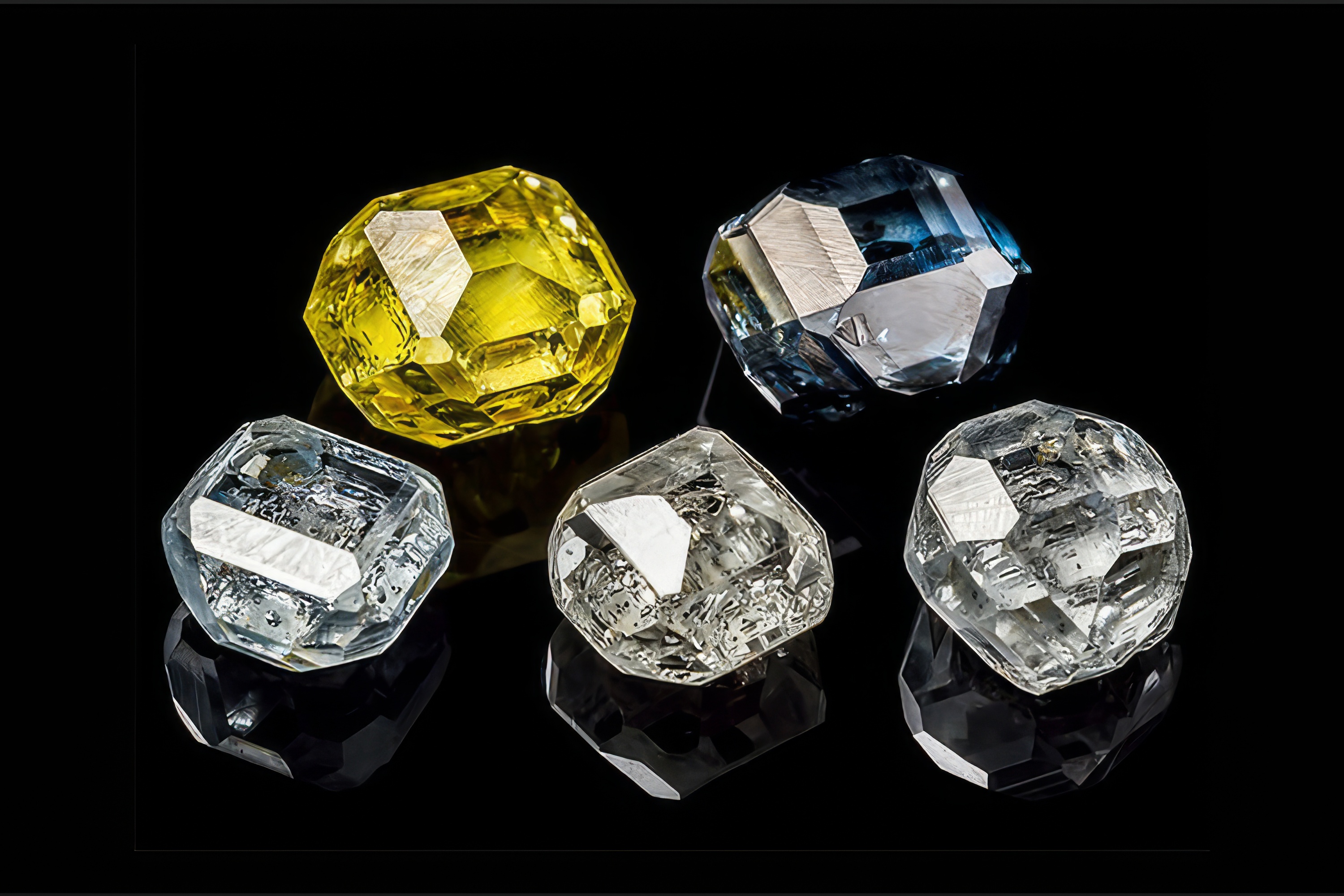
At the end of the synthesis process, the solidified mass containing the diamond crystals is treated with a mixture of boiling acids (typically 90 % sulfuric acid and 10 % nitric acid). Diamonds are chemically resistant to both acids and alkalis, so the treatment dissolves the solidified metal solvent, leaving behind clean raw crystals. The extracted diamonds are then rinsed with water and sent for further processing.
HPHT synthesis yields two main types of diamond material:
- Bort — polycrystalline diamond powder for industrial applications;
- Monocrystals — single crystals used in jewelry and high-precision industrial tools.
Monocrystals typically exhibit a cubo-octahedral shape, and their size is determined by preset synthesis parameters, including the dimensions of the growth cell and the growth conditions [3].
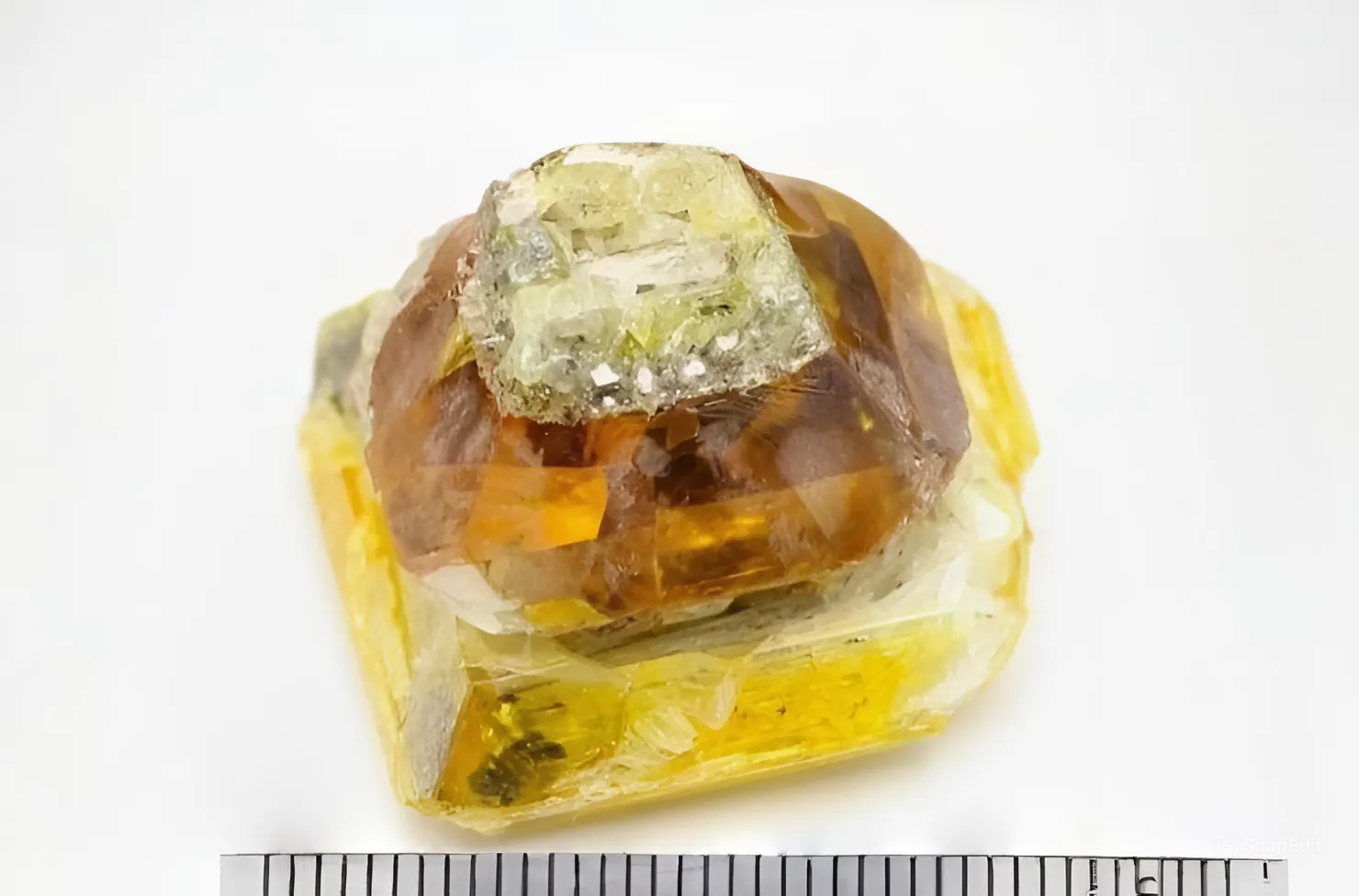
After cleaning, the rough diamonds undergo cutting and faceting. A master gem cutter examines each crystal to identify the cleanest, inclusion-free areas and determines the best shape to bring out its potential. In some cases, the diamond is cut in the natural form it developed during synthesis. These are known as As-grown diamonds.
The HPHT method not only replicates natural diamond formation but also enables the creation of crystals with engineered characteristics — from color to electrical conductivity. Modern technologies continue to advance, making diamonds that are perfect in shape, clarity, and color increasingly available — not only for jewelry, but also for use in medicine, quantum technologies, and industry.
References
No items defined
